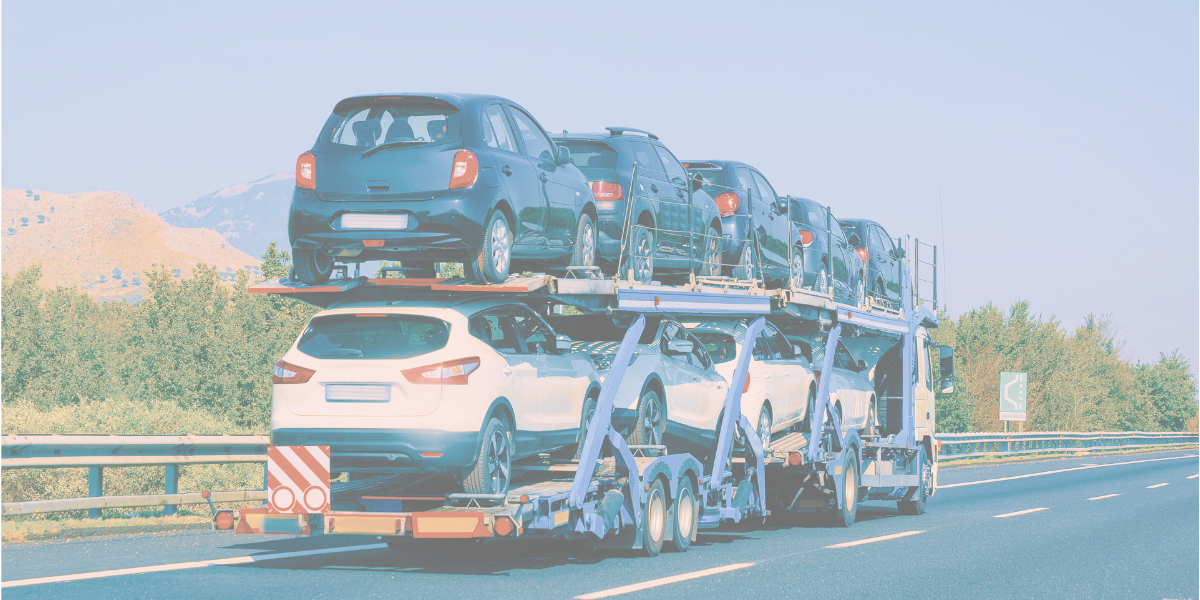
What Is Parallel Exporting / Importing of Vehicles — And Is It Legal?
Parallel exporting/importing (often called grey market exporting) is when a vehicle is bought in one country and then exported/imported for resale in another country outside an automaker’s authorized distribution channels.
It’s a simple idea — but the legal and risk picture depends on whether the story and paperwork are truthful all the way through (buyer identity, financing, insurance, export declarations, import compliance, taxes/duties, recalls, and registration).
This guide explains what parallel exporting/importing is, what “legal” usually means in practice, and how consumers, dealers, and OEMs can reduce risk.
Key takeaways (60 seconds)
Parallel exporting/importing can be legal when the buyer is legitimate and all documentation is accurate.
The risk is that many export-driven purchases must pass through normal “local retail” processes first, which creates pressure to misrepresent intent (who the real buyer is, where the car will live, how it will be insured/financed).
Export/import rules are real and procedural (ownership paperwork, export notice windows, import inspections, admissibility rules).
If you’re buying used, your fastest protection is to verify identity + history: match VINs, check stolen status, and run an export check.
A “parallel market” vehicle typically follows this path:
A vehicle is purchased in Country A (often as a “local” retail sale)
The vehicle is exported to Country B
The vehicle is imported and then resold through non-authorized channels
The vehicle itself may be genuine and the VIN may decode correctly — the issue is that the distribution path bypasses the automaker’s intended channel strategy (pricing, allocation, warranty coverage, recall handling, regional specs).
Parallel exporting/importing is an alternative name for grey market exporting — if you want the network-risk view, see our companion article:
Important: legality can hinge on details (especially financing/insurance statements and export/import compliance). This article is general information, not legal advice.
Parallel exporting vs. legitimate cross-border buying
The “buyer on paper” isn’t the real end user (nominee/straw buyer)
Deal is structured to look “local” to pass approvals
Insurance is purchased to “clear delivery,” then changed/cancelled quickly
The vehicle moves unusually fast to resale/export
Parallel export pipelines aren’t automatically illegal — but they frequently drift into misrepresentation because retail systems are built for local end-users.
Why automakers and dealers care (even when it’s “legal”)
Parallel export/import activity can create predictable downstream problems:
Allocation distortion: local customers can’t get inventory
Warranty leakage: claims show up in unintended markets
Recall/safety friction: harder to contact owners across borders
Understand RIV inspection and timing requirements: RIV.ca
Be aware that exporting from the U.S. typically involves submitting documents at least 72 hours prior at the port of export: CBP — Exporting a Motor Vehicle
If you’re buying a used vehicle that might have a cross-border story, add identity checks:
Match VIN in multiple locations (dash, door label, documents)
Is parallel importing the same as grey market exporting? They overlap. “Parallel/grey market” both describe vehicles moving outside authorized channels; the risk depends on whether the transaction required misrepresentation.
Is it illegal to export a car you legally bought? Not automatically. But export/import has procedural requirements and documentation obligations — and problems start when approvals depend on false statements. See official export/import guidance.
Why do OEMs treat it seriously even when it’s legal? Because it can distort allocation, warranty exposure, recall handling, and pricing integrity — and repeat patterns often correlate with misrepresentation.
What’s the fastest way to protect myself buying used? VIN match + stolen check + export check — and walk away if the story doesn’t match the signals.
Final takeaway
Parallel exporting/importing can be legal — but the moment a deal needs to be “made local on paper” to pass delivery, financing, or insurance conditions, the risk spikes fast.
If you want a simple rule:
Legitimate cross-border activity = the story, documents, and behavior line up. Risky parallel export activity = the paperwork is “perfect,” but the signals don’t match reality.
If you’re buying, selling, or investigating a vehicle with an unclear cross-border story, run an export check before you commit: VINShield export check.