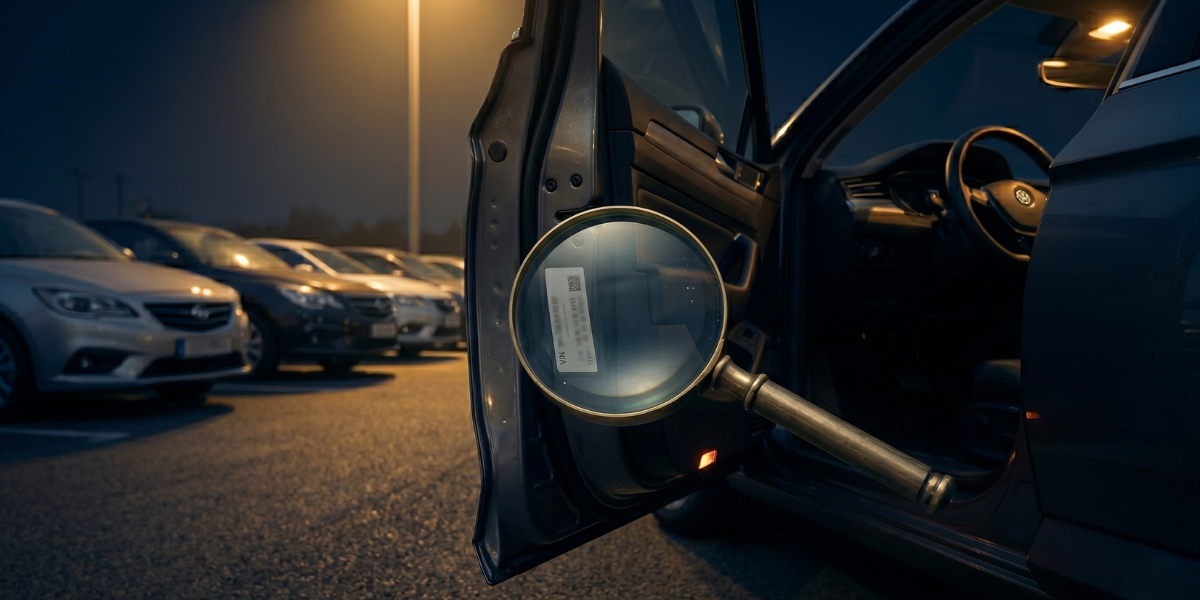
What Is VIN Cloning (VIN Duping) — And How to Protect Yourself
Buying a used vehicle should be exciting, not stressful. But one growing risk in today’s market is VIN cloning (also called VIN duping). In Canada, you may also hear this referred to as re-VINing.
VIN cloning is a form of fraud where criminals give a stolen vehicle the identity of a legitimate one so it can be sold as a “clean” car. Understanding how it works — and how to spot it — can save you from losing your vehicle, your money, and a lot of headaches.
Key takeaways (60 seconds):
- Match the VIN in multiple places (dash, door label, paperwork).
- Confirm the vehicle details match the registration (make/model/colour).
- Run the CPIC (Canadian Police Information Centre) stolen vehicle check before money changes hands.
- Run a VINShield export check to catch VINs tied to exported vehicles being resold locally.
What Is VIN Cloning / VIN Duping?
Every vehicle has a unique Vehicle Identification Number (VIN) — basically the car’s fingerprint.
In a VIN cloning scheme, criminals typically:
- Steal a vehicle
- Take a VIN from a similar, legitimate vehicle
- Attach that “clean” VIN to the stolen vehicle (replacing VIN plates/labels and changing paperwork)
- Sell the cloned vehicle to an unsuspecting buyer or dealer
Why VIN Cloning Can Look “Clean” on Paper
Because the VIN being used belongs to a real vehicle, it may decode correctly and look normal at a glance. That’s why it’s important to go beyond the basics and verify the vehicle’s identity using multiple checks.
VIN Cloning Checklist — How to Protect Yourself
If you’re buying a used vehicle (privately or from a dealer), here are practical steps you can take.
1) Match the VIN in Multiple Places
The door label is just one location. Make sure the VIN:
- Matches on the dashboard (through the windshield)
- Matches the driver door label / door jamb sticker
- Matches any other VIN labels you can access (varies by vehicle)
- Matches the ownership/registration, bill of sale, and service records (and watch for mileage inconsistencies)
If any VIN is missing, scratched off, looks reattached, or doesn’t match the others, walk away.
2) Confirm the Vehicle Details Match the Registration
Don’t just check the VIN — confirm the make, model, and colour match what’s shown on the registration/ownership. If the details don’t line up cleanly, slow down and treat it as a serious warning sign.
Helpful reference: RCMP tips for buying a pre-owned vehicle
3) Inspect Body Lines and Paint Quality
A cloned or heavily rebuilt vehicle may show signs of major repair work:
- Uneven body gaps between doors, hood, or trunk
- Different bolts/hardware, or missing under-shields
- Mismatched paint shades on different panels
- “Orange peel,” runs, or rough texture in the paint
- Overspray on rubber seals, trim, or glass
One imperfect panel doesn’t always mean fraud — but combined with VIN concerns or a strange story, it’s a warning sign.
4) Get a Pre-Purchase Inspection (and Scan Modules if Possible)
If you’re not 100% confident inspecting a vehicle yourself, a pre-purchase inspection at a trusted shop is one of the best investments you can make.
If possible, ask for a scan using an OBD-II tool or dealer-level diagnostic device. Many modern vehicles store identity information in electronic modules. If the electronic identity info doesn’t match the VIN on the dash and paperwork, something is wrong — and you should get answers before proceeding.
5) Run the CPIC Stolen Vehicle Check
Before money changes hands, run the VIN through the CPIC stolen vehicle check. It’s a quick way to see if a vehicle has been reported stolen to police services.
If the tool indicates the VIN is reported stolen — stop the deal immediately and contact local police.
6) Run a VINShield Export Check Before You Commit
A common risk pattern is VINs connected to vehicles that have been exported out of the country — and later show up again locally with a “clean” story.
With VINShield, you can:
- Enter the VIN on VINShield.ca
- Check whether the vehicle has been reported exported
- Review the export date and destination country
If a VINShield report shows the vehicle was exported to another country, but the car in front of you is being sold as a “local” vehicle, that’s a major red flag.
Run a VINShield export check before you buy
View a sample export report
7) Trust Your Instincts (and Don’t Let Anyone Rush You)
Walk away if:
- The price seems too low for the market
- The seller is rushing you or resisting inspections
- The story about the vehicle’s history doesn’t add up
- Paperwork is incomplete, inconsistent, or confusing
There are plenty of vehicles for sale. You never need to gamble on one that feels wrong.
What to Do If You Suspect VIN Cloning
If you strongly suspect a vehicle has been re-VINned / cloned:
- Don’t proceed with the purchase
- Save what you can safely (listing screenshots, messages, VIN details)
- If it’s urgent or in progress, contact local police (911 in an emergency)
- If you want to share information anonymously, submit a tip through Crime Stoppers
FAQ: VIN Cloning / VIN Duping
Can a cloned vehicle pass a basic VIN decoder or history check?
Yes. A cloned VIN can decode correctly because it belongs to a real vehicle — just not the one you’re looking at.
What’s the difference between VIN cloning and re-VINning?
They’re often used interchangeably. Both involve giving a vehicle a different identity by swapping/altering VIN identifiers and paperwork.
Does the CPIC tool confirm a vehicle is safe to buy?
CPIC can show whether a vehicle has been reported stolen, but you should still do the other checks (VIN matching, inspection, export history).
What should I do if I think a vehicle is re-VINned?
Stop the deal, document what you can safely, and contact local police if appropriate. You can also submit an anonymous tip to Crime Stoppers.
Why would an export check help detect VIN cloning?
If a VIN has export history that doesn’t match the vehicle’s story (for example, it shows exported but is being sold as “local”), that mismatch can be a major red flag.
Final Takeaway
VIN cloning is designed to fool honest buyers — and sometimes even reputable dealers. But a few extra checks go a long way:
- Match the VIN in multiple places
- Confirm vehicle details match the registration
- Get a pre-purchase inspection and scan if possible
- Run CPIC for stolen status
- Run a VINShield export check before you commit